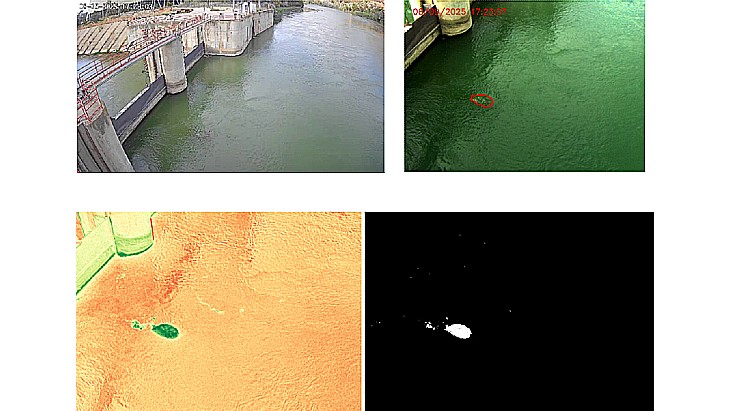
The presence of algae and other floating vegetation masses in intake channels is a well-known natural phenomenon in facilities that use surface water for cooling, the system's developers say. The iAlgae system, developed through a collaboration by Spain-based energy services group GDES and Ascó-Vandellós II Nuclear Association (ANAV), enables continuous monitoring of the plant’s water intake channel, automatically detecting accumulations of vegetation that could impact the facility’s intake and cooling systems. Access to real-time information on the evolution accumulations allows monitoring activities to be optimised and provides plant operators with an advanced decision-support tool.
The solution combines multispectral, thermal and visible-spectrum cameras with artificial intelligence algorithms capable of automatically detecting moving vegetation masses and generating real-time alerts to facilitate their removal by operations teams. The combination of multispectral imaging and advanced thermography enables reliable detection 24 hours a day under a wide range of environmental conditions, the developers say.
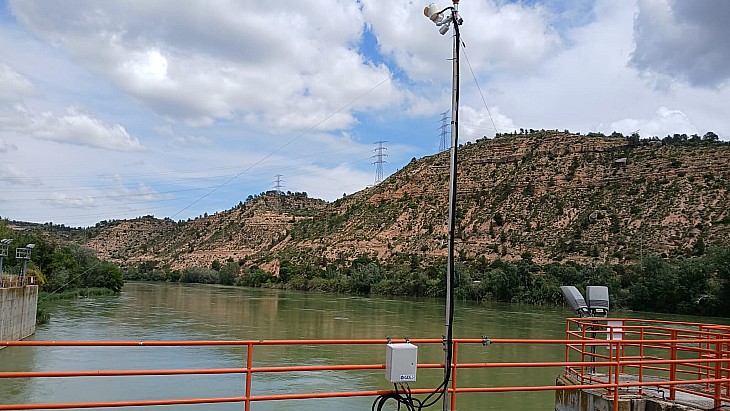
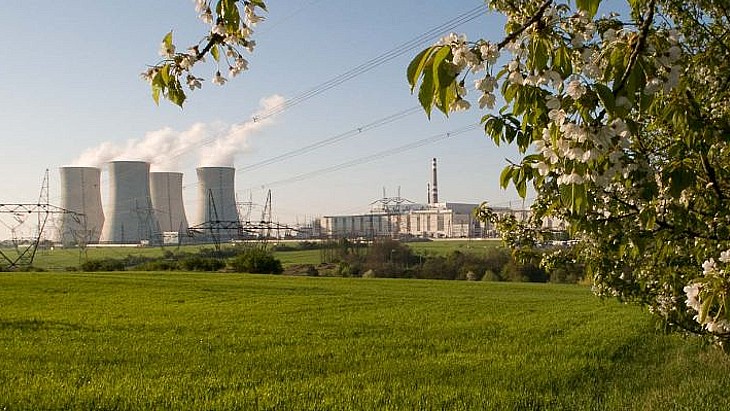
The iAlgae solution has been validated in testing at the Ascó nuclear power plant (Image: GDES)
The technology has been validated in 144 days of testing under real operating conditions at Ascó Nuclear Power Plant, where it processed more than one million images using an edge computing architecture (edge computing is a process where the gathered data is processed and stored closer to where it is generated rather than at a central data centre, giving faster data insights for real-time decisions).
The results confirmed the viability of the solution, automatically detecting 710 algae mats and identifying vegetation accumulations smaller than one square metre, many of which were difficult to detect through conventional visual observation. The trials also demonstrated stable performance in rain, fog, varying light conditions, wind and water turbulence.
The next phase of the project is to focus on completing the industrialisation of the solution and expanding its automation capabilities, GDES said: "Through iAlgae, GDES reinforces its commitment to technological innovation for the energy and nuclear sectors by developing digital solutions that help increase plant reliability and anticipate potential issues before they can affect operations.
"iAlgae is a further example of how collaboration between nuclear operators and technology innovation teams can transform operational challenges into intelligent, reliable and future-ready solution."
The Ascó plant comprises two Westinghouse pressurised water reactor units with an installed capacity of about 1030 MWe each. Unit 1 entered commercial operation in 1984, with unit 2 following in 1986.