The motion removed the wording "nuclear power, coal and incineration of waste will be phased out", and replaced it with "electricity generators that are not compatible with renewable and low carbon energy goals or the UK's Planetary Boundaries targets, such as fossil fuels, will be phased out".
The wording of the motion to update the Power Section of The Energy Chapter of Policies for a Sustainable Society also removed this section:
"In line with the move from fossil fuels, clean electricity generation will be substantially increased, based primarily on renewable, very low carbon sources with offshore wind as a major source, supported by onshore wind, marine, solar photo voltaic, biofuels, hydro power and geothermal."
And replaced it with:
"Electricity generation will be based primarily on offshore wind, onshore wind, and rooftop solar photovoltaics. Other electricity generators that are considered low carbon include ground-mounted solar photovoltaics (including carparks and agrivoltaics), hydroelectric power, nuclear fission, tidal power, wave power, geothermal power, and energy from waste."
The motion, CO3, also deletes related policies elsewhere, such as in the party's Transport Chapter where it previously said: "The Green Party would implement an immediate ban on the shipment of all nuclear fuel, plutonium and high-level radioactive waste."
In a statement to World Nuclear News explaining the policy implications of the vote, Green Party Spokesperson for Energy and Net Zero, Carla Denyer MP, a former renewable energy engineer, said: "The Green Party's energy policy continues to place offshore wind, onshore wind and solar at the top of the hierarchy, aiming to generate most of the UK's electricity supply from these sources. But we now recognise that nuclear fission - alongside other sources such as hydroelectric, tidal, wave and geothermal - can be considered low carbon, and have a role to play.
"This evolution of our policy does not commit the party to backing new nuclear, but accepts this power source is here to stay for now, while we transition to electricity generation based primarily on renewable sources.
"It is often a very low carbon option to keep nuclear power stations running, because a significant proportion of the carbon footprint comes from the initial construction of the power station. So if I were Energy Secretary, my evidence-based approach would be to keep existing nuclear plants in operation, but to consider proposals for new nuclear power very carefully, bearing in mind the cost, speed and environmental impacts."
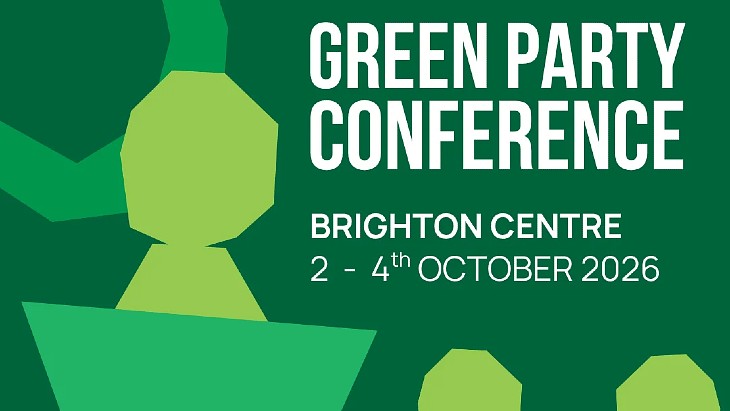
The vote by members attending the annual party conference means it becomes party policy, but does not necessarily mean it will be included in the party's manifesto at the next UK general election.


_55605.jpg)