Sang-Hyun Park's team at the institute's Advanced Radiation Research Institute identified the efficacy of the antioxidant - hesperidin - in restoring liver, heart and kidney tissues damaged by radiation.
Korea Atomic Energy Research Institute (KAERI) said that the research team had found that "when hesperidin was administered for seven days to mice with reduced liver enzyme function due to radiation exposure, enzyme function recovered by more than 90%. In addition, they demonstrated both preventive and therapeutic effects by proving that normal function was restored even when hesperidin was prescribed in advance of radiation irradiation".
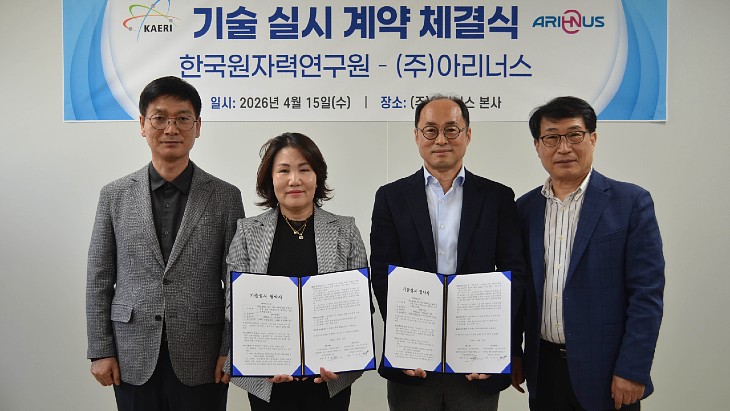
(Image: KAERI)
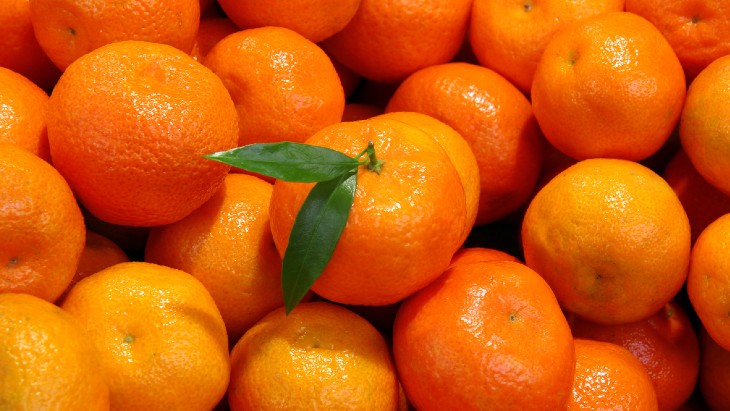
The technology transfer also includes the means of "extracting high-purity hesperidin from tangerine peels using radiation fusion technology ... previously, high-purity extraction was difficult due to pesticide residues remaining on the tangerine peels, but the research team developed a new extraction technique that uses radiation to destroy pesticide residues while maximising hesperidin content".
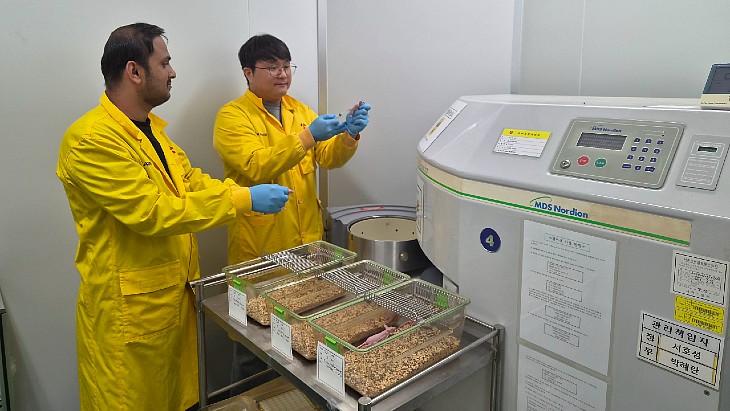
(Image: KAERI)
Jeong Byeong-yeop, Director of the Advanced Radiation Research Institute, stated: "The institute's world-class technological capabilities will serve as a win-win model leading to the product competitiveness of small and medium-sized enterprises."
The technology transfer was carried out with the support of the Ministry of Science. Arinus Co is a specialised manufacturer of health-focused products and plans to use the technology in health supplements and products for patients undergoing radiation therapy.


_22748.jpg)
_29250.jpg)