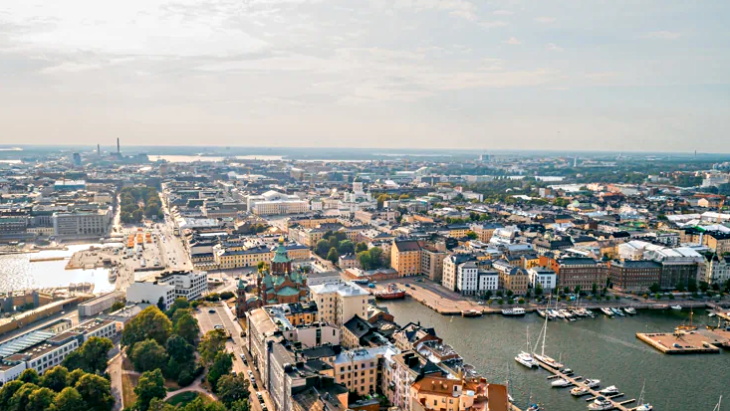
Helen - which currently produces heat, electricity and cooling in power plants and heating plants in different parts of Helsinki - is aiming for carbon-neutral energy production by 2040. In September 2024, the company launched the first phase of its nuclear programme, aimed at constructing a small nuclear power plant for producing heat for Helsinki city. Its nuclear energy programme will evaluate small modular reactors (SMRs) based on proven solutions, which can be used to produce just heat or both electricity and heat. During the initial phase of its nuclear programme, Helen said it will negotiate with potential partner shareholders, evaluate plant suppliers and determine potential plant sites.
The company has now published its Environmental Impact Assessment (EIA) Programme for the planned plant for public consultation, marking the start of the project's statutory environmental impact assessment procedure in Finland. The purpose of the EIA procedure is to identify and assess the project's impacts on the environment, people, and society, and to provide information to support planning and decision-making. The process also gives authorities, stakeholders, and the public access to information and opportunities to participate.
Possible locations for the SMR plant include the Salmisaari and Vuosaari power plant areas and Norrberget in Östersund. The EIA procedure evaluates five possible implementation options, depending on the chosen plant technology and location. Both a heat-only plant and a combined heat and power plant are to be considered. In addition, an alternative is assessed in which the project is not implemented. The impacts of the construction of a cogeneration plant producing electricity and heat are only being assessed in Vuosaari and Norrberget. Helen said the cogeneration plant requires new connections to be built due to the production of electricity, such as cooling water arrangements and electricity transmission lines. Due to limited space, it is not possible to implement a cogeneration plant in Salmisaari, it said.
The environmental impact assessment will examine the maximum capacities of the plants: the thermal capacity of the heat generating plant is 600 MW (reactor capacity 630 MW) and the thermal capacity of the cogeneration plants is 700 MW and the electrical capacity is 500 MW (reactor capacity 1,400 MW). The characteristics of the final plant will be specified as the design progresses and may be smaller in size.
The EIA will proceed in two stages. The programme stage explains which impacts will be assessed and how the assessment will be carried out. The results of the assessments will be compiled into an environmental impact assessment report, which will be published in 2028. Statements and opinions will be collected on both the EIA programme and the EIA report.
Sweden-based engineering, project management and advisory company AFRY is acting as the EIA consultant for the project and is also supporting Helen's nuclear energy programme with studies related to potential plant locations and technical solutions. Helen said its goal is to make a decision on a potential plant location in 2028.
"Helen wanted to launch the environmental impact assessment as early as possible so that the impacts and implementation conditions of the project can be thoroughly investigated before further planning," said Helen's Nuclear Siting Manager, Melina Laine. "The environmental impact assessment produces key information to support decision-making and permit procedures on the impacts the project will have on the environment and residents of the surrounding area."
The SMR plant would reduce the load on electricity transmission connections and strengthen the energy self-sufficiency of Finland and Helsinki, the company said.
Helen Ydinvoima Oy CEO Pekka Tolonen added: "We are investigating the possibilities of nuclear power for the needs of a growing and vibrant city. With low-emission and weather-independent nuclear power, it is possible to curb fluctuations in energy prices and ensure the availability of energy in all situations."